




If you’re young, just getting started, and watching headlines about inflation, AI disruption, and market jitters, it’s reasonable to wonder whether putting money into the market is pointless. Why bother investing $50 a month when the news makes it sound like everything could fall apart anyway?
The short answer is yes, it’s still worth it, and the reasoning behind that answer matters more than the answer itself. Here’s a clear-eyed look at why, and how to actually go about it without overthinking it.
The World Has Always Felt Like It’s Falling Apart
Every generation that’s ever invested has done so while convinced their moment in history was uniquely unstable. The list of crises investors have lived through is long: multiple world wars, a decades-long Cold War, recessions, oil shocks, a global pandemic, and any number of wars and political upheavals in between. Through all of it, broad market investing has remained one of the more reliable ways to build wealth over time, specifically because it doesn’t require you to correctly predict which crisis will matter and which one won’t.
This isn’t a reason to ignore real risks. It’s a reason to be skeptical of the feeling that this particular moment is different enough to justify sitting on the sidelines entirely. That feeling is almost always present, in every era, and it’s rarely a good guide for long-term decisions.
It’s also worth being honest about where that feeling of doom often comes from. Social media and short-form content are built to keep you engaged, not to give you an accurate read on how stable the world actually is. A constant stream of alarming 30-second clips will distort your sense of risk regardless of what’s actually happening in markets or the economy.
Time Matters More Than Timing
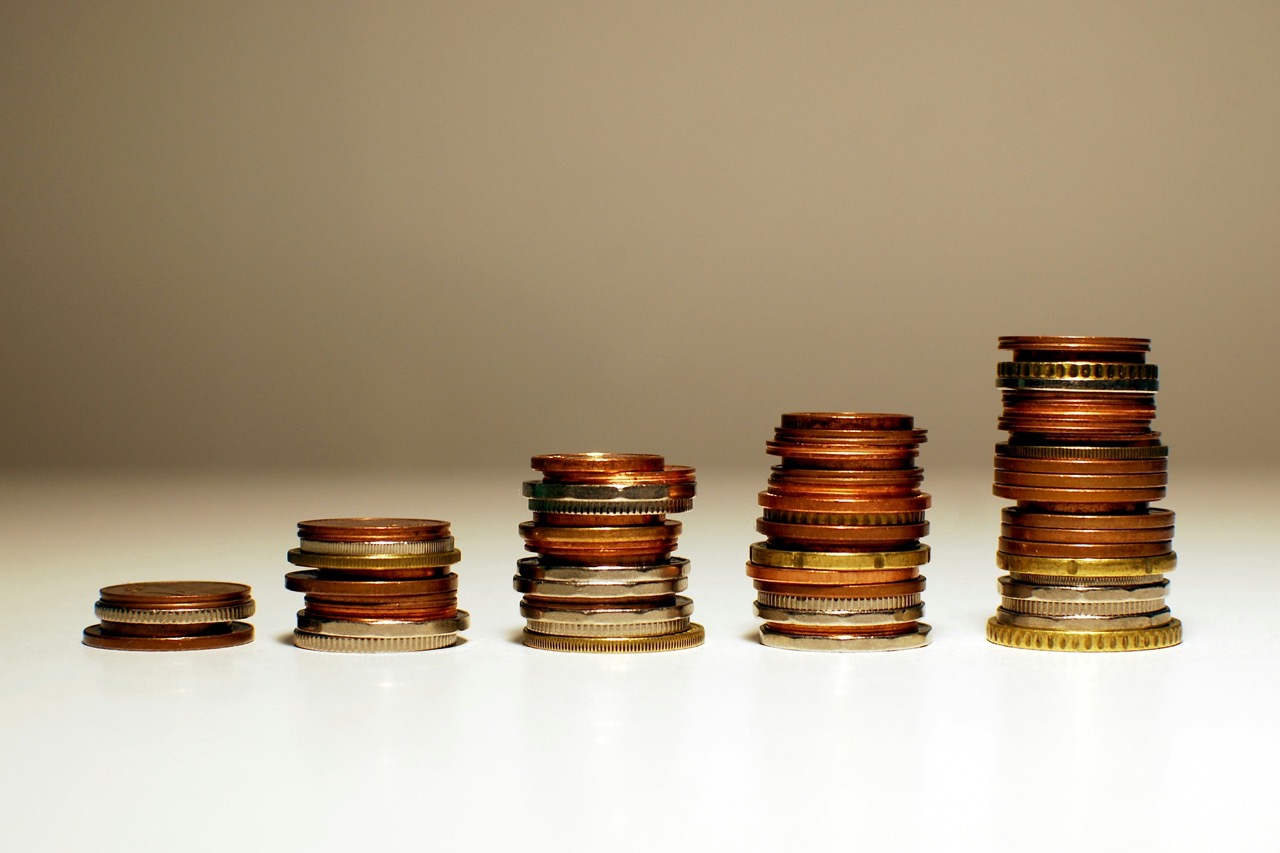
The single biggest advantage a young investor has isn’t knowledge or money, it’s time. Money invested at 19 has roughly four decades to compound before a typical retirement age, and that compounding effect is dramatically more powerful early than late. A dollar invested now is worth more, in real terms, than the same dollar invested ten years from now, simply because it has longer to grow.
This is why financial advice for someone in their late teens or early twenties almost always comes back to the same point: start small, but start now. You don’t need a large sum to make this work. Consistent contributions, even modest ones, into a broad, low-cost index fund (something tracking the total US stock market or the S&P 500 is the standard recommendation) will, over enough decades, outperform almost any strategy built around trying to guess the perfect entry point.
Waiting for a “better time” to start is one of the most common and costly mistakes new investors make. Historically, markets spend the overwhelming majority of their time at or near new highs. If your plan is to wait for a clear, obvious dip before getting in, you’ll likely end up waiting far longer than expected, and missing years of compounding in the process.
Why Holding Cash Isn’t Actually “Safe”
It can feel safer to just keep your money in a checking or savings account rather than risk it in the market. The problem is that cash isn’t actually neutral. Inflation steadily erodes what your money can buy, year after year, even while the number in your account stays the same. A high-yield savings account might offer a few percent in interest, which helps, but historically even that has struggled to consistently outpace the real cost-of-living increases many people experience, especially in categories like housing, tuition, and healthcare that often rise faster than the official inflation figures suggest.
This doesn’t mean cash has no place. You should keep an emergency fund, money you might need on short notice, in something safe and liquid like a high-yield savings account. But money you won’t need for five, ten, or more years is generally better off invested, because the long-term goal isn’t just to preserve its value, it’s to grow it faster than the cost of living rises.
A Reasonable Starting Approach
If you’re new to this and don’t want to spend months researching before you feel “ready,” a simple framework works well:
- Build a small emergency cushion first, even just enough to cover an unexpected expense, before investing aggressively.
- Use a tax-advantaged account if you’re eligible. For most young earners in the US, a Roth IRA is worth looking into, since contributions grow and can eventually be withdrawn tax-free in retirement. It’s particularly attractive when you’re early in your career and likely in a lower tax bracket than you will be later.
- Pick a broad, low-cost index fund rather than individual stocks. Funds that track the total market spread your risk across hundreds or thousands of companies instead of betting on any single one.
- Automate it. Set up a recurring contribution, even if it’s small, so the decision to invest isn’t something you have to actively make (and potentially talk yourself out of) every month.
- Don’t touch it. The value of this approach comes specifically from not reacting to short-term market swings. Pulling money out during a downturn locks in losses that would likely have recovered if left alone.
One caveat worth being upfront about: retirement accounts like a Roth IRA generally restrict withdrawals before a certain age without a penalty, with a few specific exceptions like a first home purchase. If there’s a real chance you’ll need this money sooner, for something like near-term education costs or a major life expense, it’s worth keeping some savings outside a retirement account as well, so you’re not stuck choosing between a penalty and leaving money inaccessible when you need it.
Investing in Yourself Still Comes First
It’s worth saying plainly: at the very start of your working life, your own skills and earning ability are a bigger lever than anything you’ll do in the market. A modest amount invested consistently will grow meaningfully over decades, but the income you’re able to generate from your career, trade, or business will likely shape your financial life far more than your portfolio’s returns in the first several years.
That’s not a reason to skip investing, it’s a reason to do both. Keep developing skills that make you more employable or valuable in whatever field you’re in, while also building the habit of putting something, however small, into the market consistently. Neither one has to wait for the other.
The Bottom Line
The state of the world will always feel uncertain, because it always has been. What’s changed remarkably little, across decades of wars, recessions, and technological upheaval, is the basic math of compounding: money invested early and left alone tends to grow into something substantial, while money kept in cash slowly loses purchasing power. Starting small and starting now, even amid headlines that make the future feel shaky, has historically served people far better than waiting for certainty that never actually arrives.